

From poetry and motorsports to disability advocacy, Nepali women are challenging tradition and shaping their own futures.
Text: Clara Valenzani | Milan, Italy
From poetry and motorsports to disability advocacy, Nepali women are challenging tradition and shaping their own futures.
Text: Clara Valenzani | Milan, Italy
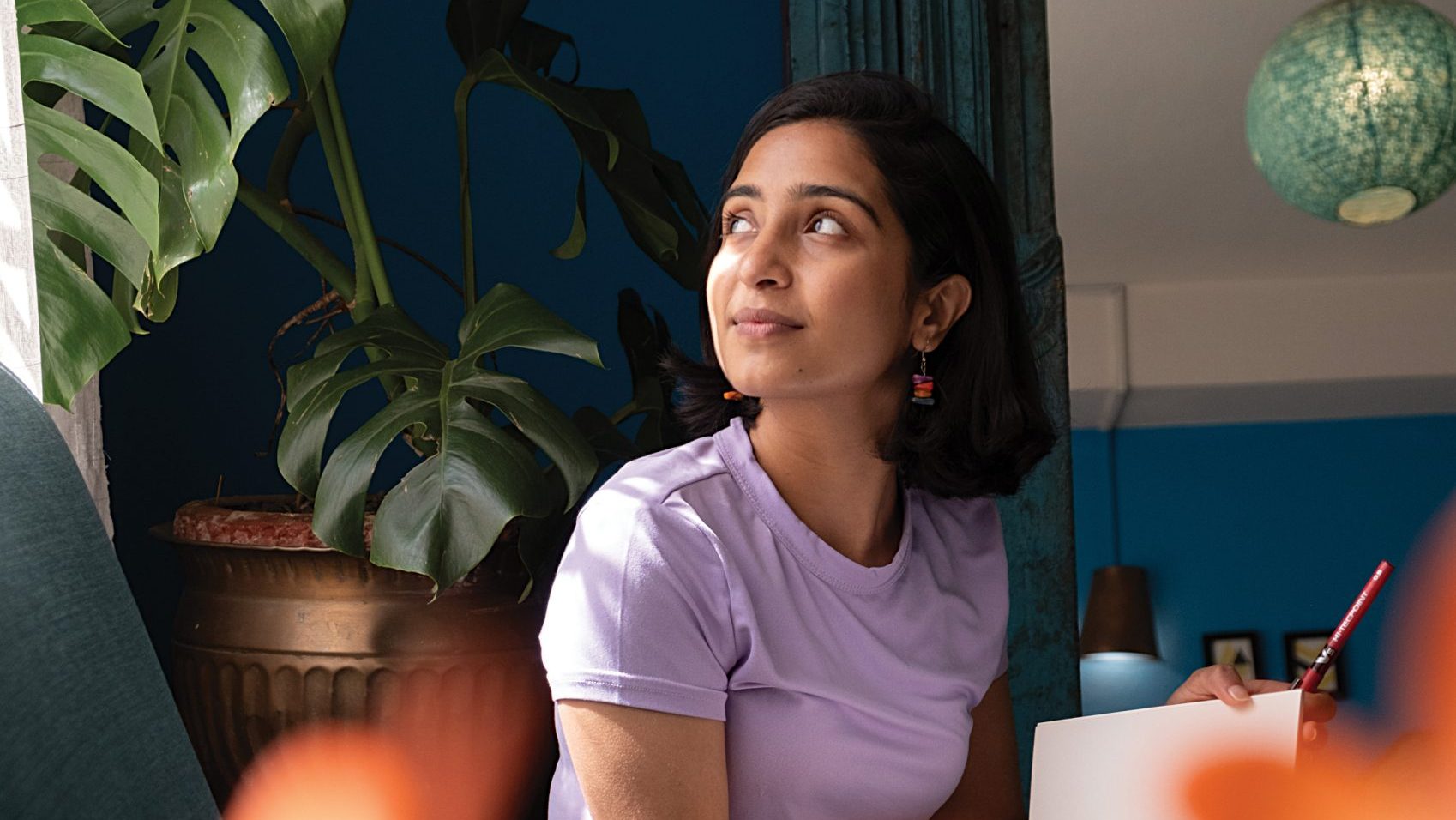
When a woman tells a story, it’s expected to be about a woman fighting for something, or the protagonist is expected to be a woman. But women writers can talk about anything, right? There shouldn’t be any expectations, but rather openness. I hope to hear more women share stories, even personal ones, because literature doesn’t necessarily have to deal with huge themes. And I would like to hear them through every kind of artistic expression.
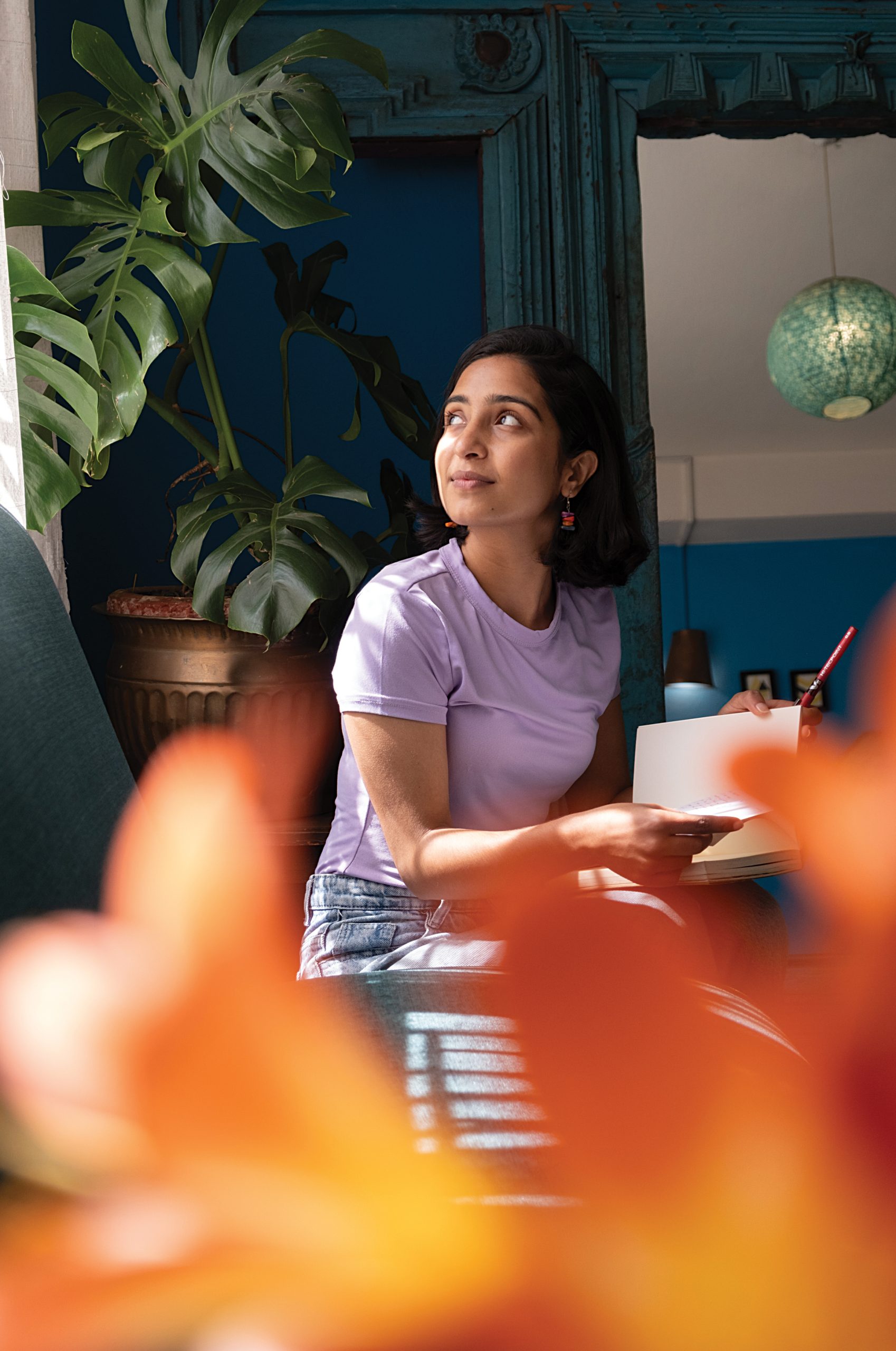
25-year-old Asmita Gautam has the look of a poet: a romantic brown bob, dark, introspective eyes, and a delicate behaviour. But from her home in Kathmandu, Nepal, she speaks with determination about her vision, a vision that involves the role of women, still tied to traditionalist dynamics in her country. Something is changing; however, slowly, year after year, some of them have chosen to pursue their vocation despite external limitations, asserting themselves for who they are, and hoping to motivate others to do the same. They are extraordinary women, in the truest sense of the word: extra-ordinary, trying to break out of established patterns.
“We’ve come a long way in Nepal on gender equality, but sexist incidents still happen, even from educated people,” she says. “A boy told me, ‘It’s easy for you to get an audience because you’re a girl.’ I think people come to listen to me for my poems, not because I’m a girl.” She began composing as a child, to process negative emotions. Her poetry, very different from traditional Nepali poetry. “My poems as such, speaks of interiority, human connections, the validation of one’s feelings, and understanding others, without heaviness or excessive seriousness,” she says. She has a YouTube channel and reads her compositions at evenings attended by many young people, including many men. Asmita is receiving good recognition, but often if you do something good, they say it’s because of your gender. “If you do something badly, they say it’s because you’re not good. There are no major organisations here promoting women in the arts: there’s still a lot of work to be done.”
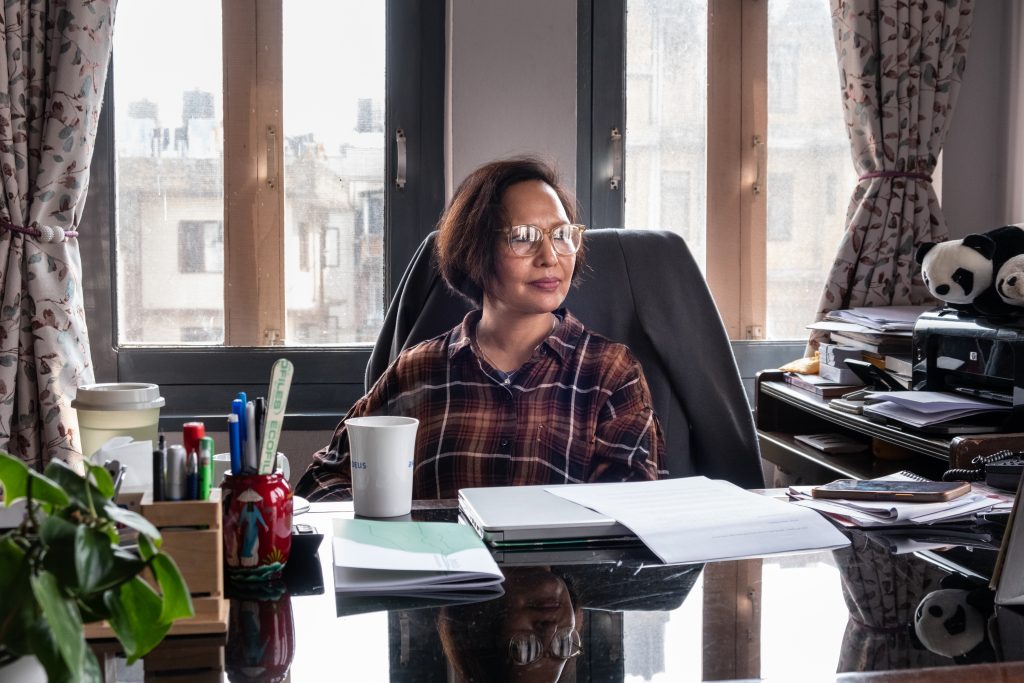
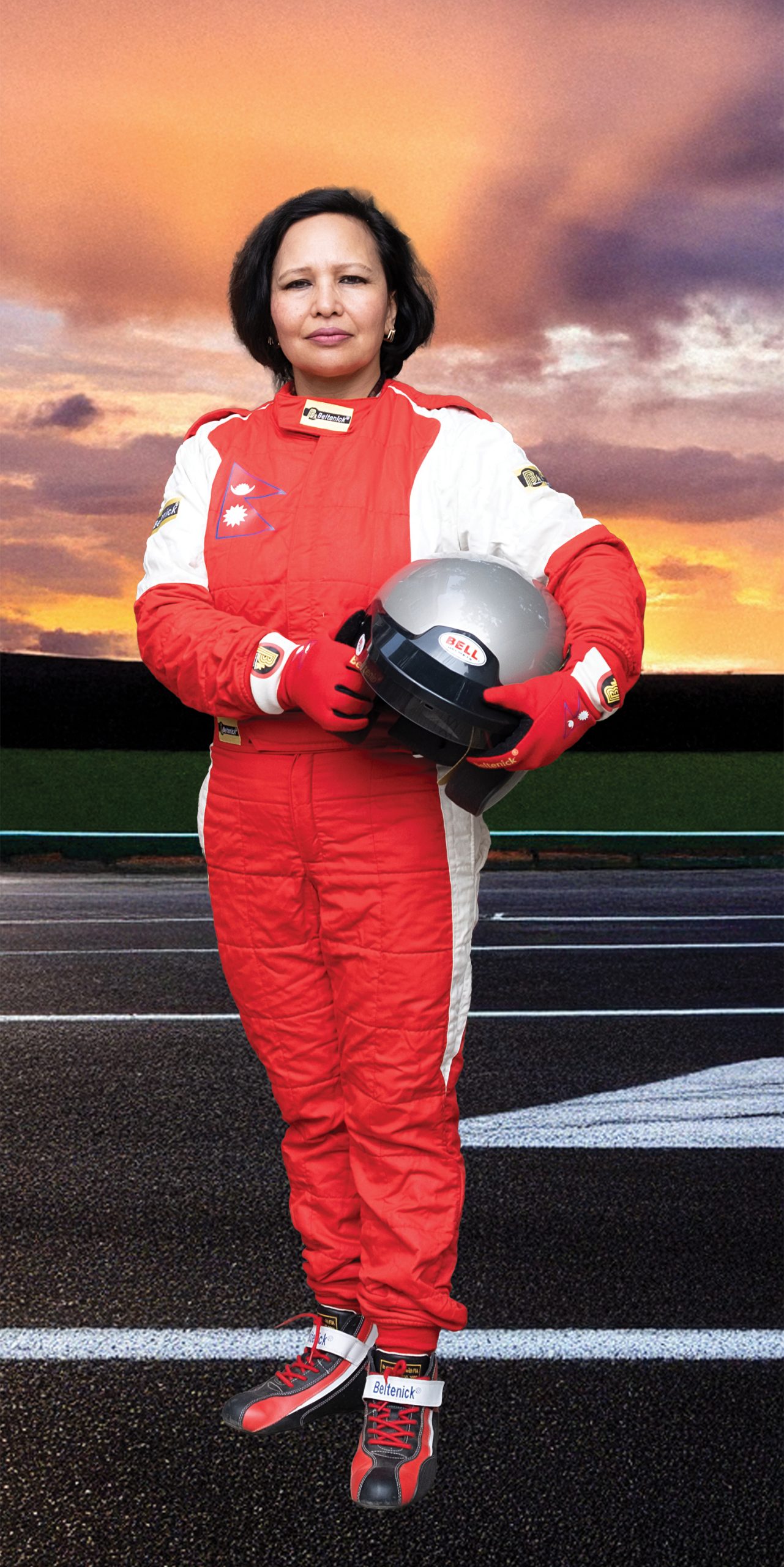
Jiswan Tuladhar, 47-year-old, agrees with Asmita, even though her story is completely different: she’s a race car driver. “I started in 2018,” she says from behind a desk, her back straight and her voice confident. The Nepal Association Sports Council was looking for a woman to represent the country in an international competition. I knew nothing about this sport, but I love trying new things. I thought that someone has to start this in Nepal, why not me? I trained on my own; our government doesn;t support sports like this, and the equipment is too expensive. And I won the national women’s race, gaining access to the Asia Auto Gymkhana in Thailand, a mixed competition for both sexes. It was the first time they allowed women to compete. From there I took part in other races, in Asia, but also in Europe, at the World Cup in Marseille in 2022. That was my last race: but now, in Nepal, there are three female motorsport drivers.” For girls, in and outside sports, it is difficult to succeed, even though things are better than in the past; initiatives, even in business, are lacking, bureaucratically complex or related to traditional areas (such as agriculture). Jiswan herself, who has 25 years of experience in tourism, created the Nepalese Women’s Tourism Association to train and support women who want to work in this field: today there are over 50 members, when initially they started from nine. These are people who, instead of emigrating, will remain in their country of origin, going against the trend, because the government doesn’t understand that it’s not enough to bring foreigners and tourists here, we also need to allow those who were born here to stay. If Nepali women want to stay in Nepal, it’s right that it happens, and that’s what I want for them.”
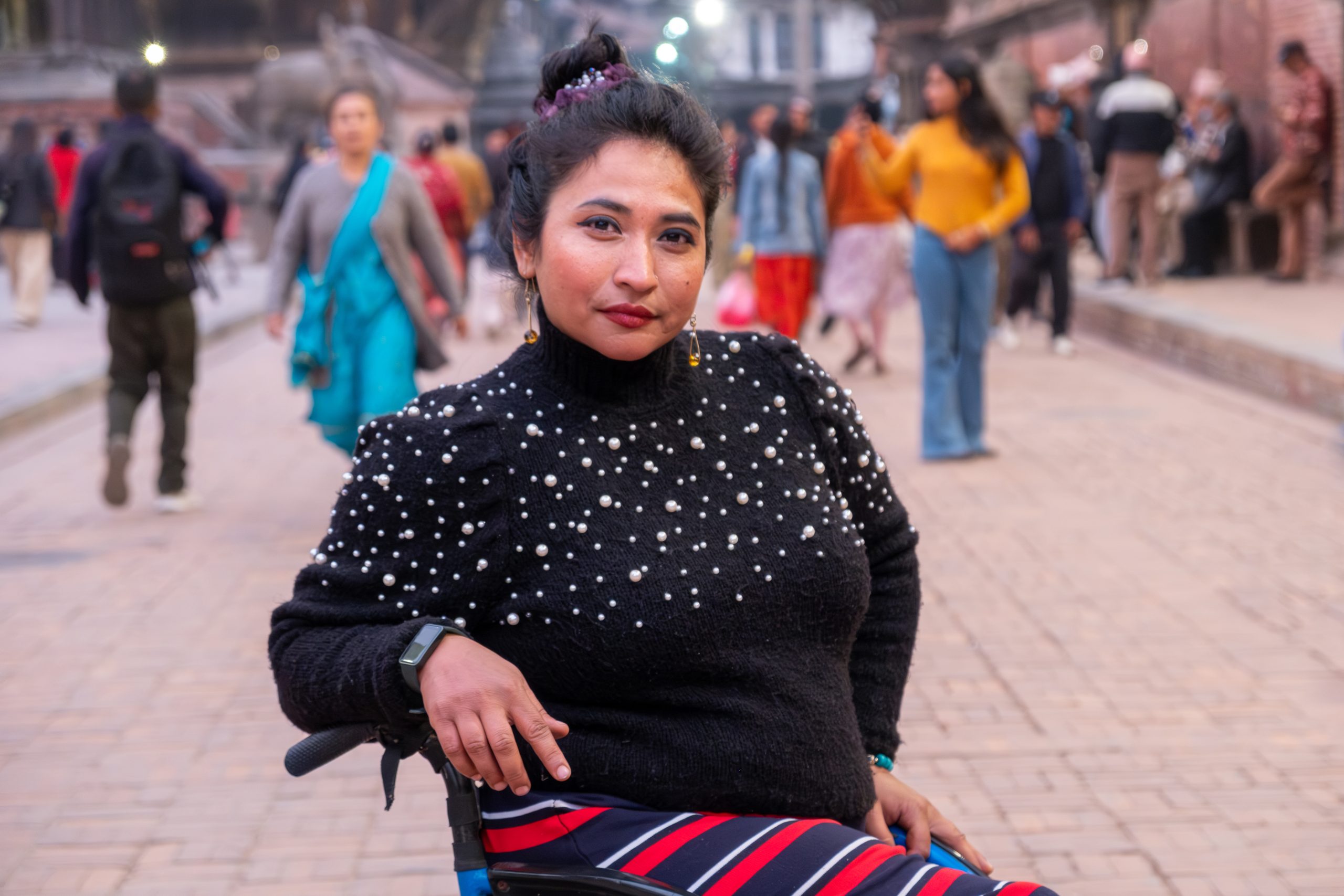
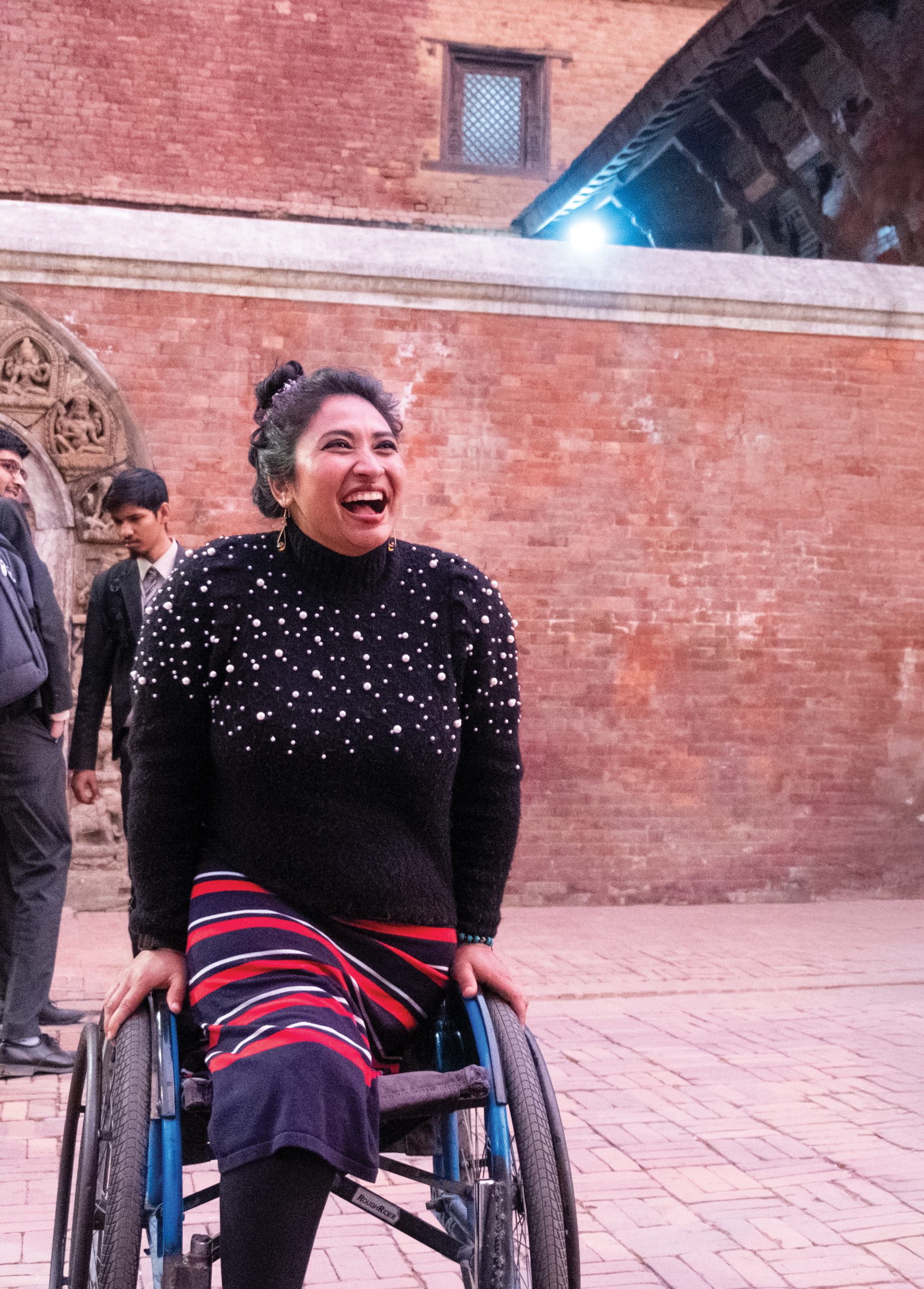
Another woman, like Jiswan, is working to develop inclusive programmes: her name is Nir mala Bhandari, she is 31 years old, and in place of the left leg she has a prosthesis, applied after a car accident as a child. What’s most striking about Nirmala is the energy, vitality, and positivity that shine through her actions and words. And also in facts, because she has a very busy life: “There are so many things to do. I want to do them all: as soon as you reach the highest level, you have to move on. I’ve just started living my life.” She created the Nirmala Foundation, which promotes events for people with physical disabilities, especially amputees. Since 2018, it has organised soccer matches, powerlifting classes, and women’s wheelchair basketball teams. There was even a fashion show, the Amputee Runaway, followed by meetings and workshops: “The show was an incredible success. The models walked the runway wearing clothes by leading designers, the same ones who make the dresses for Miss Nepal.” Nirmala, who was Miss Disability Queen in 2024, was already familiar with the context. In addition to the association, she is an experienced solo traveler, planning to reach Everest Base Camp with her partner, and she is also a professional basketball player: she has won gold medals, competed in international competitions, and participated in an exchange in the US in 2022, where she found new inspiration for launching disability inclusion projects through sport in Nepali schools.
Another woman, like Jiswan, is working to develop inclusive programmes: her name is Nir mala Bhandari, she is 31 years old, and in place of the left leg she has a prosthesis, applied after a car accident as a child. What’s most striking about Nirmala is the energy, vitality, and positivity that shine through her actions and words. And also in facts, because she has a very busy life: “There are so many things to do. I want to do them all: as soon as you reach the highest level, you have to move on. I’ve just started living my life.” She created the Nirmala Foundation, which promotes events for people with physical disabilities, especially amputees. Since 2018, it has organised soccer matches, powerlifting classes, and women’s wheelchair basketball teams. There was even a fashion show, the Amputee Runaway, followed by meetings and workshops: “The show was an incredible success. The models walked the runway wearing clothes by leading designers, the same ones who make the dresses for Miss Nepal.” Nirmala, who was Miss Disability Queen in 2024, was already familiar with the context. In addition to the association, she is an experienced solo traveler, planning to reach Everest Base Camp with her partner, and she is also a professional basketball player: she has won gold medals, competed in international competitions, and participated in an exchange in the US in 2022, where she found new inspiration for launching disability inclusion projects through sport in Nepali schools.
Like Jiswan and Asmita, Nirmala’s initiatives also aim to explore and fill the gaps left by the government, creating social value. The state has few support policies. But Nepali women are proactive; they want to do things despite not being centrally encouraged, they all agree.
In Asia as elsewhere, women need to embrace their individuality and have the space to express themselves and feel complete. In the novel The Blue Mimosa, written by Nepali author Parijat, the protagonist is a girl named Sakambari, Asmita explain. “She’s a woman with her own identity and beliefs, which don’t fit with society’s expectations. At one point, she delivers a beautiful monologue: she compares a woman’s life to flowers, saying that flowers don’t let themselves be kissed by all the bees and insects that fly around them.” From Nepal, the call is the same for everyone: find your voice, find your own identity. Find your Sakambari and guard it carefully, like the mountain range that protects the colorful, noisy, chaotic, yet unique, Kathmandu Valley.


Comments
annabrown
Thanks for sharing this information is useful for us.
cmsmasters
Always happy to be of service.
miaqueen
This is awesome!!!
cmsmasters
Thanks.