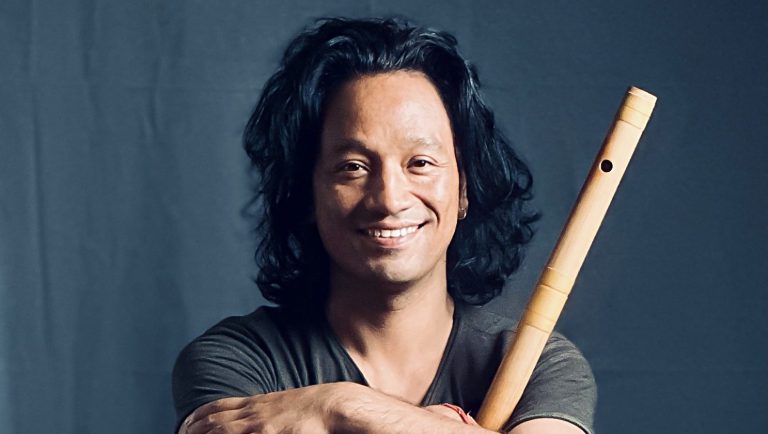
A balanced diet shapes an artist’s energy, strength, endurance, cognitive function, memory, recovery, immunity, and emotional well-being. By SUPRIYA BHATTARAI | Kathmandu
Nutrition For Energy, Recovery and Performance

Performance artists are athletes in their own league. Food may not be the first thing that comes to mind when training for dance, theatre, a concert, or an upcoming musical event, but proper fuelling makes a huge difference to an artist’s energy, stamina, and performance. Dancers, actors, singers, musicians, and stage artists all depend on a unique combination of strength, endurance, flexibility, coordination, and precision, often spending hours rehearsing repetitive movements that raise their energy demands. This calls for sufficient carbohydrates for performance, protein for recovery, and hydration for mobility. Beyond the physical workload, these artists also manage substantial cognitive and emotional challenges—which is why nutrition matters not just for performance, but for cognitive function, fatigue, resilience, injury prevention, and long-term career longevity.
A balanced diet shapes an artist’s energy, strength, endurance, cognitive function, memory, recovery, immunity, and emotional well-being. Carbohydrates are the body’s primary energy source during moderate- to high-intensity activity, helping maintain blood sugar and delay fatigue through long rehearsals. Healthy fat provides longer-lasting energy during lower-intensity work, adequate protein maintains muscle and aids recovery, and micronutrients like calcium, vitamin D, magnesium, and potassium support coordination, bone health, and endurance.
Cognitive function matters just as much—the brain runs on glucose, and omega-3s, B vitamins, iron, and antioxidants support attention, reaction time, memory, and decision-making. Frequent travel and irregular schedules also leave artists more susceptible to infection, making gut health, supported by adequate calories and nutrients like vitamins A, C, D, E, zinc, and selenium, important too.
Energy needs vary with the intensity, duration, and frequency of rehearsals and performances. Rehearsal days demand sustained energy for long hours of repeated movement; performance days involve less physical activity but a heavier mental load, making meal timing around the show essential. This demanding lifestyle can also push artists toward under-eating, skipped meals, or restrictive diets in pursuit of a certain body image—exactly where balanced nutrition becomes a safeguard.
Key Nutrients Every Artist Needs
Carbohydrates: Carbohydrates fuel both muscle and brain via glycogen. Artists should favour complex carbs throughout the day— whole grains, millet, buckwheat, legumes, and whole fruit—for a steady release of energy.
Meal timing: Meal times affects both energy and recovery. Large meals should come two to four hours before a performance, pairing carbs (rice, millet rice, quinoa, buckwheat or millet pancakes) with protein (egg, chicken, fish, tofu, beans, soya chunks) and moderate fat and fibre. Closer to showtime, smaller snacks — yoghurt and fruit, muesli, eggs, or smoothies—provide quick energy without feeling heavy. Within 30 to 60 minutes after rehearsal or performance, carbohydrates replenish glycogen and protein supports muscle repair: a protein smoothie, a protein curry with rice, a grilled chicken sandwich, or pasta with chicken or plant protein all work well.
Protein: Protein repairs muscle and maintains lean body mass, supporting immunity and training adaptation. It’s best spread across the day—roughly 20 to 30 grams per meal—through eggs, dairy, lean poultry, fish, tofu, soy, lentils, beans, chickpeas, nuts, and seeds; vegetarians and vegans can meet needs through legumes and soy.
Healthy fat: Healthy fat supports hormone production, brain health, and joint function, and sustains energy as carbohydrate stores decline over long rehearsal days. Almonds, walnuts, flaxseeds, avocado, and fatty fish like trout are good sources, though pre-performance meals should keep fat moderate to avoid gastric discomfort.
Hydration: Hydration is an often-overlooked performance enhancer—even mild dehydration can impair coordination and mood, and for vocalists, it can cause vocal fatigue and reduced endurance. Fluids are best sipped consistently through the day rather than all at once; water works for most rehearsals, while electrolytes help during prolonged performances. Coconut water, soups, milk, and water-rich fruits like watermelon all count toward daily intake.
Micronutrients That Matter
Macronutrients like carbohydrates, protein and fat are considered the major nutrient sources; micronutrients like vitamins and minerals are equally important for optimum health, performance and longevity of these artists.
Iron is one of the major micronutrients for performers. Female performers are particularly susceptible to iron deficiency, leading to fatigue, poor endurance, and reduced concentration. Iron-rich foods include organ meat, lean meat, poultry, spinach, and legumes. Lentils and many more. Consuming vitamin C foods alongside plant-based iron sources enhances absorption.
Calcium and vitamin D are important for strong bones, and these are especially important for dancers who constantly put strenuous pressure on their bones. Dairy, soy products, green leafy vegetables, and sensible sun exposure are all important in maintaining adequate levels of these vitamins. Alongside, minerals like magnesium are important as they aid in muscle relaxation as well as energy metabolism. Pumpkin seeds, chia seeds, almonds, spinach, and beans are the richest sources of magnesium. Zinc is another mineral that is important for immune strengthening; pumpkin seeds, cashews, lentils, and lean meat are good sources of zinc.
Sample meal plan
- Breakfast: Eggs with oatmeal and dairy or plant-based milk (also works pre-rehearsal)
- Lunch: Rice, millet rice, or barley grits with dal, seasonal vegetables, salad, and chicken, tofu, soya, fish, or paneer (skip the salad before a performance)
- Snack: Yoghurt with nuts, seeds, and fruit
- Dinner: Buckwheat or millet pancake with protein and seasonal vegetables
Common mistakes to avoid
- Skipping breakfast, which depletes energy and increases fatigue during morning rehearsals
- Poor hydration
- Crash dieting—egg-only or extreme low-calorie, low-carb plans—chasing a body image, which risks illness, fatigue, and hormonal issues
- Relying on supplements instead of whole foods; supplements should complement, not replace, a balanced diet
- Long stretches without food, which lower blood sugar and impair mood, decision-making, and stamina
Managing travel
- Carry portable snacks: makhana, popcorn, fruit, sattu, homemade energy balls, protein bars
- Hydrate throughout the day, adding electrolytes after performances
- Choose lean protein, healthy fat, and vegetables
- Prioritize sleep
- Avoid new or exotic foods before performance
- Never skip breakfast
A performance artist’s success depends not only on talent but on the body’s ability to produce energy, recover efficiently, and stay resilient under physical and emotional demand. Proper nutrition gives artists the foundation to endure, focus, recover, and perform at their fullest.