
Three female coaches and players share the challenges and opportunities of stepping into coaching roles in Nepal’s male-dominated sports scene.
By Anweiti Upadhyay | Kathmandu
Three female coaches and players share the challenges and opportunities of stepping into coaching roles in Nepal’s male-dominated sports scene.
By Anweiti Upadhyay | Kathmandu
Coaches shape athletes in ways that go far beyond training sessions. They guide not only technical skills but also the mental side of performance, helping players manage pressure, schedules as well as any personal challenges they might have.
In Nepal’s sports scene, coaching has long been male-dominated. But as the industry grows, more women are stepping into roles beyond being players.
Lalita Nath, assistant coach at New Diamond Youth Sports Club, describes her transition from player to coach as eye-opening. “You don’t realise how easy life is as a player until you become a coach,” she says.
While players focus on personal performance and team success, coaches carry broader responsibilities. “We have to understand our players—their psychology, schedules, everything. There’s constant pressure, and I’m so invested that I sometimes can’t even watch their crucial games. I get too nervous,” she adds.
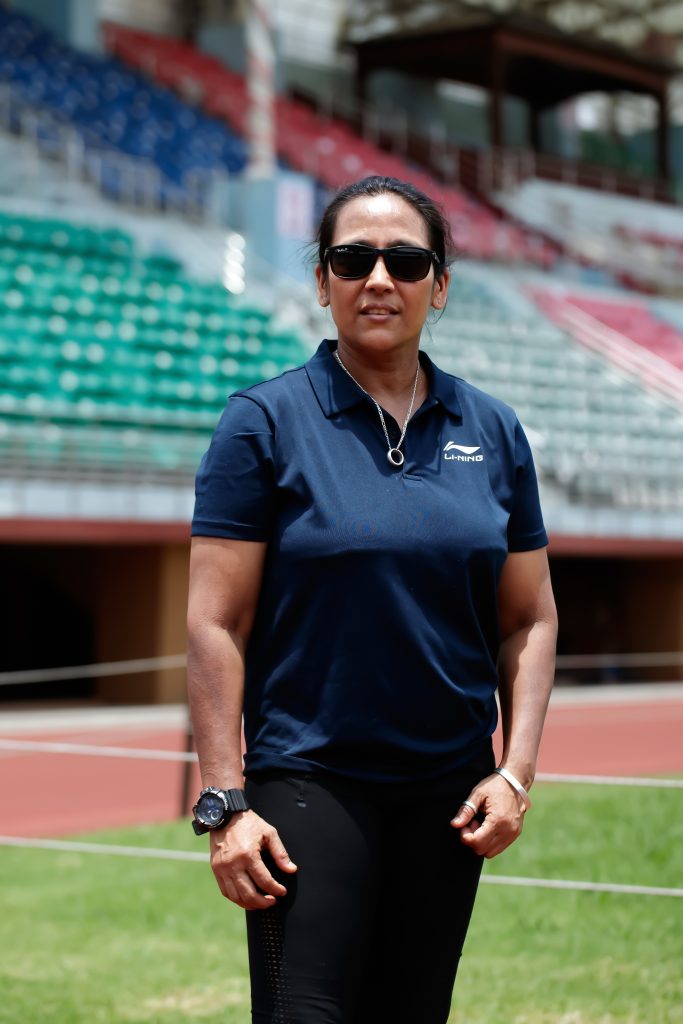
Taekwondo pioneer Sangina Baidya, who has coached national teams, emphasises that coaches play a crucial role in shaping athletes both on and off the field. Similarly, national cricketer Karuna Bhandari, who has taken on informal coaching duties through the Armed Police Force, believes coaches ultimately define the athletes they train.
Although none of them reported discomfort with male coaches, all agreed that having at least one female coach in a women’s team is important. “Just because I haven’t felt the need doesn’t mean others haven’t,” Lalita notes.
Female coaches can better understand women’s experiences, creating space for players to share concerns they might hesitate to discuss with men. In fact, according to Sangina, many schools now prefer female coaches to ensure greater comfort for their students.
The languages only differ in their grammar, their pronunciation and their most common words. Everyone realizes why a new common language would be desirable: one could refuse to pay expensive translators. The European languages are members of the same family.
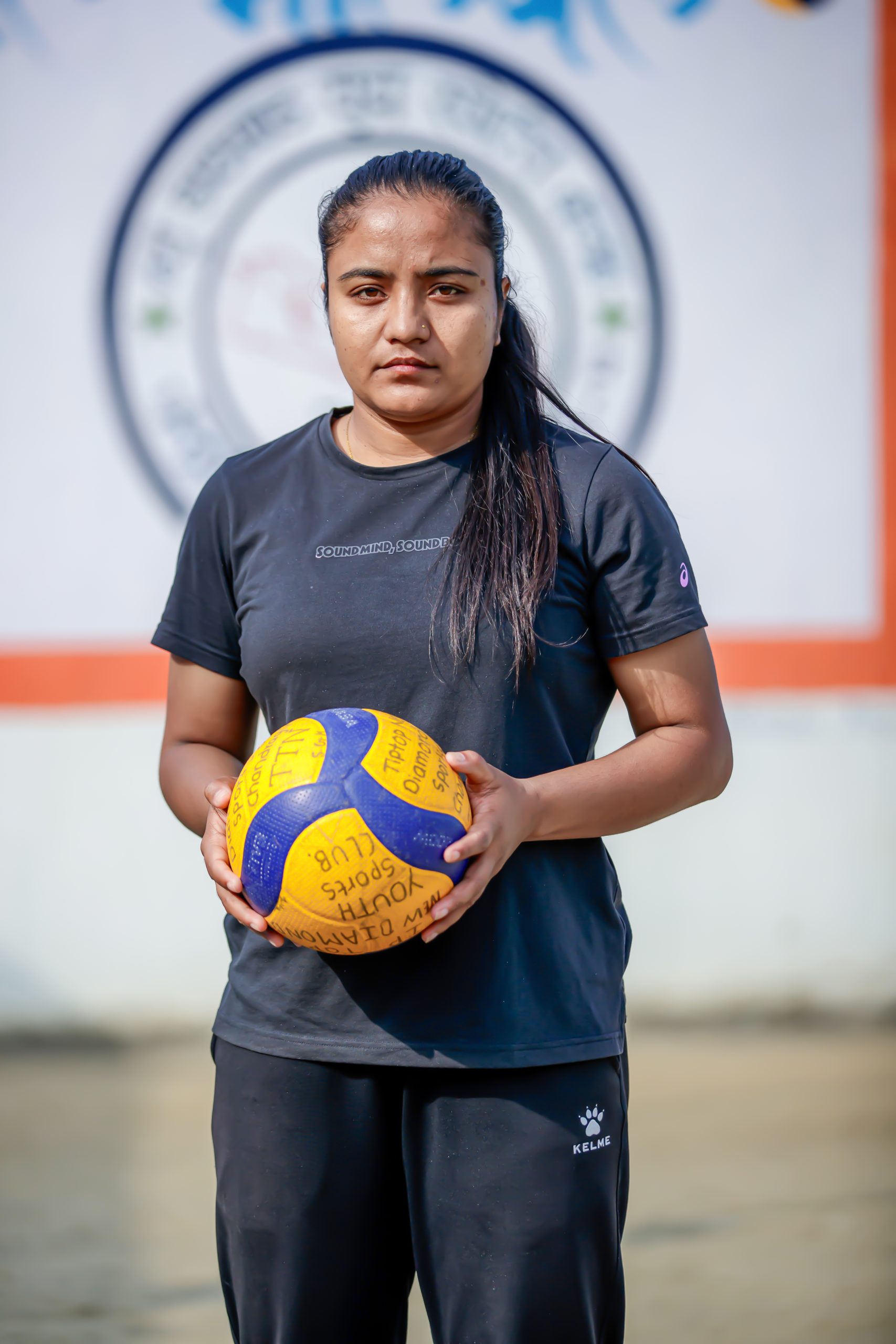
Most athletes move into coaching after retirement, seeing it as a way to stay connected to their sport and give back to the community that supported them.
Lalita, who played volleyball for 11 years before retiring in 2022, transitioned directly into coaching. “We often coach juniors informally while still active, but I took it up professionally only after retiring,” she says.
Since then, she has completed several coaching trainings in Nepal and is preparing to travel to Thailand for an international licence. Alongside this, she is pursuing a master’s in Sports Science at Tribhuvan University, recognising the importance of academic grounding. “Studies are important even for athletes and coaches,” she explains, noting that international training—often conducted in English—demands intellectual as well as physical preparedness, especially for those aiming to work at a higher level.
Sangina Baidya followed a similar path after retiring in 2009. A pioneer—being the first Nepali to qualify for the Olympics and win an Asian-level gold—she moved into coaching national teams and mentoring players within the Nepali Army and Nepal Police.
“After everything I achieved in sports, there was no way I would leave the field. Coaching was a natural step,” she says, adding that giving back to the system that supported her was a key motivation.
There are several practical reasons behind the shortage of female coaches. Lalita explains that many players simply don’t realise coaching is an option. “Most don’t know they can become a coach after retiring,” she says.
Without visible role models, a post-playing career in sports often feels out of reach. Societal expectations further limit this path. “When women get married, familial and social obligations often reduce our involvement in sports,” she adds, making long-term engagement difficult.
Sangina, drawing from decades in taekwondo, highlights a deeper issue: even promising athletes rarely receive sustained support. “Women entering sports still isn’t always viewed positively. Over time, whatever support exists tends to fade, and many leave the field altogether—coaching doesn’t even enter the conversation,” she says. While she acknowledges her own strong support system, she notes this is not the norm.
Though conditions have improved since her early days, challenges remain. Women continue to receive fewer opportunities than men—despite their strong international performances. “When Nepali athletes succeed internationally, it is often women,” she says, pointing to figures like Palesha Goverdan, Gaurika Singh, and Santoshi Shrestha.
This imbalance affects the entire system. As Sangina notes, women often better understand other women’s experiences, making the lack of female coaches even more pronounced.
Lalita also stresses that coaching isn’t limited to top-performing athletes. Some may not excel competitively but have a strong ability to guide others. Increasing awareness is key. “If even one person tells them there’s space for us as coaches after retirement, many would seriously consider it,”
she says.
Without clearer career guidance and more visible training pathways, many capable women continue to leave the sports world altogether.
Positive shifts are beginning to emerge for female coaches. All the women we spoke to noted that coaching is now becoming financially viable. With new teams and clubs forming, and growing demand from schools and colleges, coaches can work across multiple institutions.
“If you take up coaching in a few different places, you can earn a good living,” Lalita explains.
Sangina Baidya points to broader structural changes. Increased private sector involvement has expanded opportunities, and some schools now actively seek female coaches to ensure student comfort. “It is high time for female coaches to grow in Nepal,” she says.
In cricket, Karuna Bhandari sees strong momentum. The Cricket Association of Nepal (CAN) has been organising annual ICC coaching trainings, with another session upcoming. “Many of my female colleagues and juniors have already earned their first-level certification, which is great to see,” she says. Access to international-standard training is helping prepare coaches for both national and global stages. Karuna expects the number of female coaches in cricket to rise significantly and sees coaching as a natural next step in her own career. Looking ahead, Sangina emphasises the need for long-term investment. She calls for stronger support from the Sports Ministry, including structured programmes that guide young girls from school-level participation to elite competition.
“Such long-term development will also create a stronger pool of future coaches, as many players eventually transition into coaching,” she notes.

Alok Thapa on curiosity, change and the lifelong journey of finding your voice.

Before MasterChef, before the NHS, before London—there was a fussy kid in Dharan who wouldn’t touch a tomato. Rosdip Rai has come a long way since, but everything he cooks, wears, and hosts still traces back to Dharan, to his Aama Ji, and to the pride of being Nepali. Prabha Thapa Magar Kathmandu
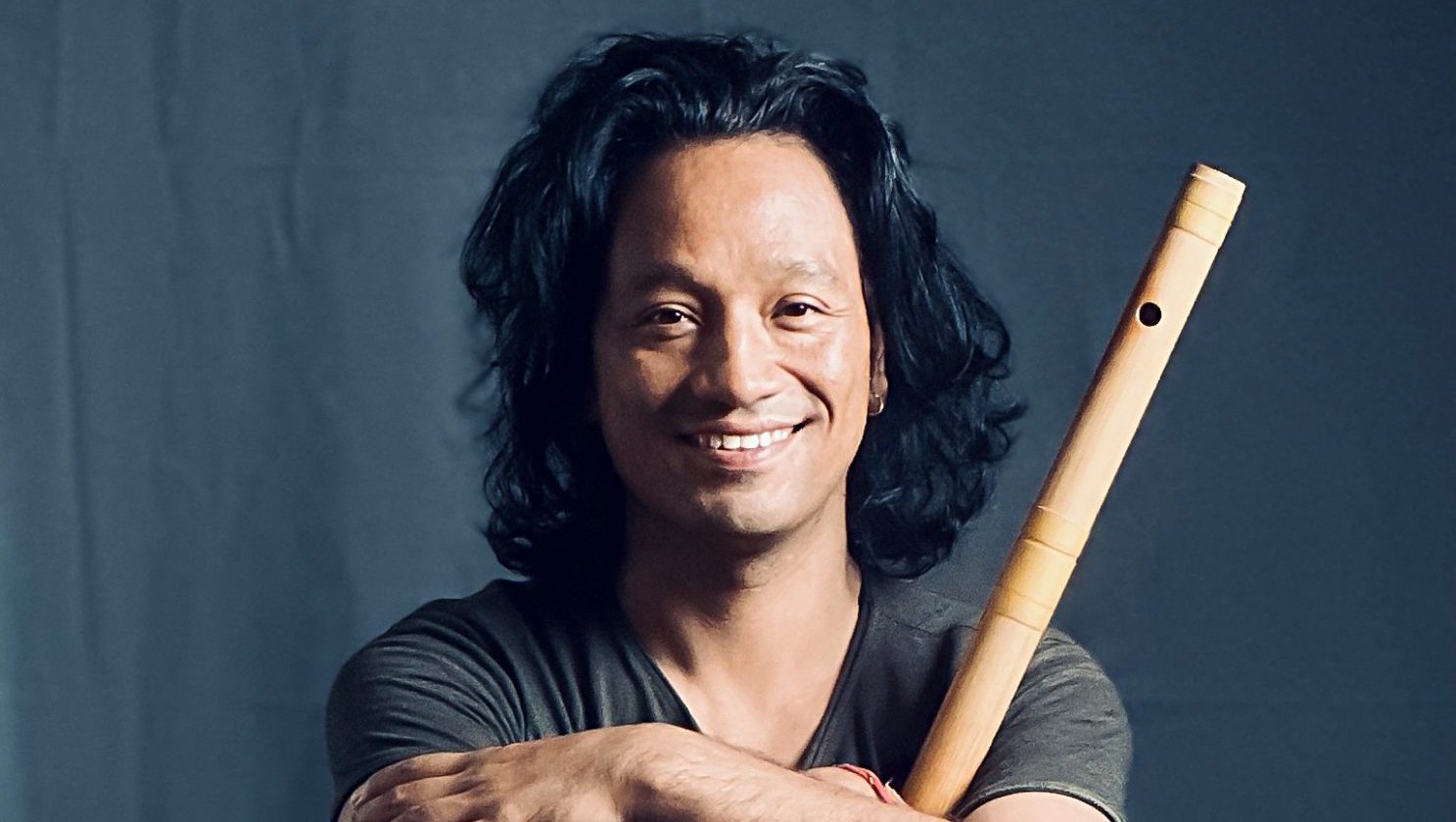
For Manose Newa, music is “a stepping stone towards realising divinity”—a practice of meditation, presence and self-discovery found in every breath of the bansuri. SHINE Edit

At Herveda Botanicals, indigenous knowledge, local medicinal plants, and scientific research aren’t separate stories—they’re formulated into one, bottle by bottle. Dr Prativa Pandey






Comments
adamgordon
Thanks for sharing this information is useful for us.