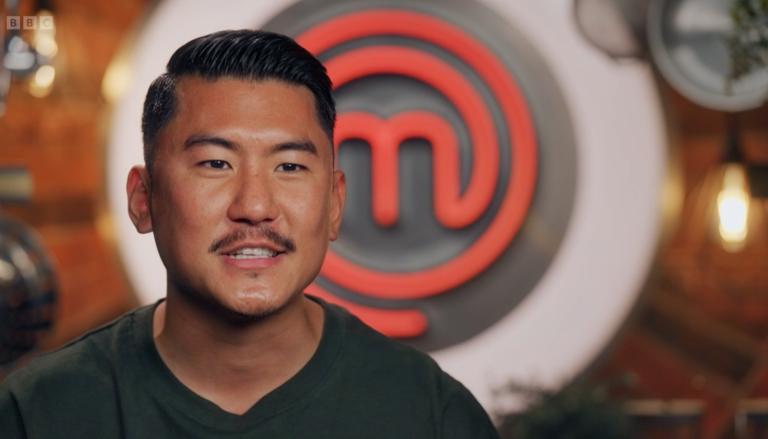
Before MasterChef, before the NHS, before London—there was a fussy kid in Dharan who wouldn’t touch a tomato. Rosdip Rai has come a long way since, but everything he cooks, wears, and hosts still traces back to Dharan, to his Aama Ji, and to the pride of being Nepali. Prabha Thapa Magar Kathmandu
Nepal, Served on a Global Platter
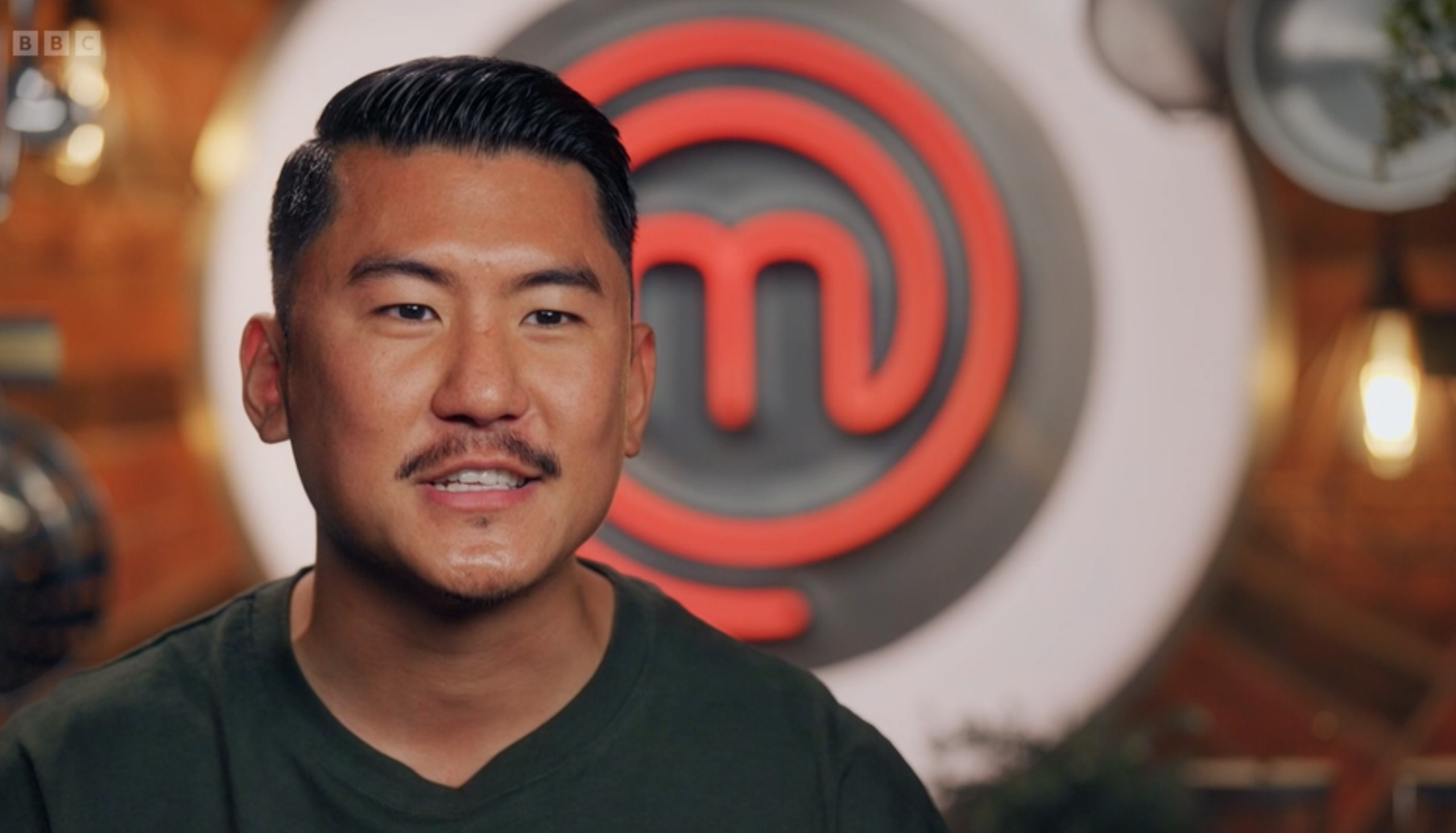
Rosdip Rai was not even one when his family moved to Dharan, where he grew up in Durga Chowk. He was actually born in Hong Kong—his father was a Gurkha soldier, which eventually led his family to the UK, but it is Dharan he calls home. “The food in Dharan is amazing, mainly street food,” he says. He was a fussy eater, and by his own admission, has no fond food memories from that time. He still remembers Aloo Nimki, Chatpatay and Momo, but his own comfort dish was simpler: Aloo Jeera, potatoes fried with cumin seeds, which he asked his Aama Ji (mother) to make again and again. Tomatoes he could not stand at all.
That didn’t last long until he moved to the UK at 17. Today, tomato pickle (Golveda ko Achar) is one of his favourite things to eat, and he describes his relationship with the fruit as an enemies-to-lovers arc. It’s a small detail, but it says something about how far his palate, and his life, have travelled since Durga Chowk.
The route to a professional kitchen was not direct, and it certainly wasn’t planned. He studied Biomedical Science, but lost interest in lab work before he’d finished. He didn’t want to be confined indoors; he wanted to work with people and for people. That led him to the London Business School, where he spent years fundraising scholarships for talented students who couldn’t afford to study there. Afterwards, he moved back into something closer to his degree and joined the NHS, eventually leading their projects office. He liked it there, but around the five-year mark, he started second-guessing it. The role was demanding, and something else was pulling at him. Living away from his mother for work, he’d started cooking for himself more, and watching cooking shows more and more. He didn’t know yet where it was leading. He just knew, with certainty, that the NHS wasn’t it.
Santosh Shah’s rise in the UK’s culinary world was, in Rosdip’s words, an inspirational thing, proof that a Nepali chef could put the country on the map internationally. But it wasn’t a direct trigger for MasterChef. That decision came later, after years of travelling and cooking dishes he’d tried abroad. When he finally looked into how to apply, he found a lengthy online form asking him to lay out his entire food journey. He submitted it and heard nothing for two to three months, certain he hadn’t made it. Then, while walking his dog one day, he heard back from them. He was so happy, he says, that he screamed afterwards.
Nothing, he says now, prepares you for the MasterChef kitchen. He is competitive by nature and went in wanting to win—cooking the same dish over and over until it felt right, running through how the judges might respond to each one. He reached the quarter-finals, and while he wishes he’d had the chance to show more, he still calls it a feeling he’ll never forget. Standing in that kitchen, he says he kept thinking of himself as the small boy who’d arrived in the UK at 17, barely finding his feet. Getting there was, indeed, a lot of effort, and he quickly adds, “luck in my favour”. And the goal was never only to represent Nepal. It was to represent his Aama Ji, and every homemaker back home whose cooking never leaves the household— the fermented radish pickle (mula ko achar), that he says nobody makes quite as they do.
He had no way of knowing who was watching the show or how the judges would respond. Introducing Timur, the Nepali Sichuan pepper, through a dish of Aloo Timur turned out to be one of his proudest moments. Judges asked about it at auditions before the show had even aired; BBC UK later covered the spice itself, and fellow contestants wanted to know where they could buy it, which he happily told them. It’s a small thing, he says, but exactly the kind of visibility he’s been chasing for Nepali food. The visibility he keeps building now through Timur Table, where roughly nine in ten guests tell him it’s the first time they’ve ever tasted the dishes he serves. He wears a Dhaka Topi when he hosts. It isn’t just decoration; it is the small, consistent way of putting Nepal in front of people who’ve never encountered it.
In the same vein, he leans into fusion cuisines: Jimbu Risotto, Sel Mochi, and, if he ever cooked for a Nepali audience outside his fusion work, Momo Tacos: dishes he thinks pull in people who wouldn’t otherwise seek out Nepali food at all, precisely because they recognise one half of the plate. Nepali food alone, he believes, won’t always work as the hook, but fusion will.
He’s frank that his own knowledge of Nepal is incomplete, so a lot of his research happens online, through videos and phone calls to relatives back home. He’s hoping to change that next year, with a trip that takes him from east to west, learning the food he doesn’t yet know so he can bring more of it back with him.
He’s just as frank about gender in Nepali kitchens. Cooking, he says, is still treated as women’s inherited work, even though in his own household, it was his mother who taught both her sons everything, and he never grew up seeing it any other way. Among more distant relatives, though, he’s noticed the daughters doing the bulk of the kitchen and serving work at family events while the sons look on, and he thinks that responsibility falls to men to notice and step in, rather than waiting for it to change at a policy level. He points out that MasterChef’s own finalists have skewed heavily male over the years. And when he went looking for Nepali women chefs with international profiles, he found very few—one, based in London, works alongside Gordon Ramsay, yet has nowhere near the visibility he thinks she deserves. Santosh Shah earned everything he received, he says, but he’s also aware that he earned it partly because he’s a man. Nepal’s female chefs, he believes, need that same spotlight, and he sees journalism itself as one of the ways to give it to them.
Besides cooking, he writes recipes on a Substack called Rosdapper, a name born from a friend’s teasing nickname, though Timur Table takes up most of his time lately. He also shares his work on Instagram @Rosdapper. Sixteen strangers at a time sit at his own dining table for a full-course Nepali meal, with flowers and candles and dishes from his MasterChef run that exist nowhere else. He plans all of it himself: pricing, marketing, ingredients, presentation, leaning on the project-management instincts left over from his previous corporate roles. He has no interest in opening a restaurant—what he wants is something more intimate.
He says he’s at the happiest point of his life right now. Introducing Nepali food to people who’ve never encountered it, and watching them enjoy it. All that he does, in the end, circles back to his Aama Ji—her cooking, her stories, the things she taught him that he now tells to strangers at his own table. His ambition is simple: keep showing his creativity through Nepali food, and be known, eventually, as the British Nepali chef. To the diaspora, he suggests staying authentic, using what your culture gave you, and being proud of it.